

Wildflower
Wildflower
Wildflower
Wildflower
Wildflower is a toolkit that equips parents and educators to teach children ages 4 – 7 years old healthy ways of
understanding and handling emotions through the integration of Christian Biblical teachings and emotional
development research. The toolkit fosters emotional literacy by affirming that emotions are a normal part of life
and guiding children in processing them through a faith-based perspective.
The first half of the semester I focused on researching the topic; reading literature about emotional development and
Biblical teachings, surveying competition, as well as conducting interviews and a survey. My hypothesis was that there
is a large gap in resources about emotional health; secular resources leave faith out of the equation, and Christian
resources often encourage suppression rather than healthy expression.
My research supported this theory and provided these key takeaways
During childhood, learning how to recognize, name, and process emotions is vital.
The gap in resources can leave children confused about their emotions and result in an unhealthy
expression and relationship with emotions that can lead to issues later in life.It would be most effective to have tools for both parents and teachers.
In the fall semester of my senior year at Ohio State, I completed my final senior capstone project!
Wildflower is a toolkit that equips parents and educators to teach children ages 4 – 7 years old healthy ways of understanding and handling emotions through the integration of Christian Biblical teachings and emotional development research. The toolkit fosters emotional literacy by affirming that emotions are a normal part of life and guiding children in processing them through a faith-based perspective.
The first half of the semester I focused on researching the topic; reading literature about emotional development and Biblical teachings, surveying competition, as well as conducting interviews and a survey. My hypothesis was that there is a large gap in resources about emotional health; secular resources leave faith out of the equation, and Christian
resources often encourage suppression rather than healthy expression.
My research supported this theory and provided these key takeaways:
During childhood, learning how to recognize, name, and process emotions is vital.
The gap in resources can leave children confused about their emotions and result in an unhealthy expression and relationship with emotions that can lead to issues later in life.
It would be most effective to have tools for both parents and teachers.
In the fall semester of my senior year at Ohio State, I completed my final senior capstone project!
Wildflower is a toolkit that equips parents and educators to teach children ages 4 – 7 years old healthy ways of understanding and handling emotions through the integration of Christian Biblical teachings and emotional development research. The toolkit fosters emotional literacy by affirming that emotions are a normal part of life and guiding children in processing them through a
faith-based perspective.
The first half of the semester I focused on researching the topic; reading literature about emotional development and Biblical teachings, surveying competition, as well as conducting interviews and a survey. My hypothesis was that there is a large gap in resources about emotional health; secular resources leave faith out of the equation, and Christian resources often encourage suppression rather than healthy expression.
My research supported this theory and provided these key takeaways
During childhood, learning how to recognize, name, and process emotions is vital.
The gap in resources can leave children confused about their emotions and result in
an unhealthy expression and relationship with emotions that can lead to issues later in life.It would be most effective to have tools for both parents and teachers.
Concept & Name
The first step in creating my brand after research and choosing the name.
I chose to go with "Wildflower," which stands to represent:
the Bible verse Matthew 6:28 which says “And why do you worry about clothes? Observe how the wildflowers
of the field grow: They don’t labor or spin thread."the growth and learning involved in using the toolkit
Wildflowers are natural, beautiful and organic, just like emotions
Wild – the wild and playful nature of children
Concept & Name
The first step in creating my brand after research and choosing the name.
I chose to go with "Wildflower," which stands to represent:
The Bible verse Matthew 6:28 which says “And why do you worry about clothes? Observe how the wildflowers of the field grow: They don’t labor or spin thread."
The growth and learning involved in using
the toolkitWildflowers are natural, beautiful and organic,
just like emotionsWild – the wild and playful nature of children
Concept & Name
The first step in creating my brand after research and choosing the name.
I chose to go with "Wildflower," which stands to represent:
The Bible verse Matthew 6:28 which says “And why do you worry about clothes? Observe how the wildflowers of the field grow: They don’t labor or spin thread."
The growth and learning involved in using the toolkit
Wildflowers are natural, beautiful and organic, just like emotions
Wild – the wild and playful nature of children
Word Mark Development
Once I landed on the name, I moved forward to create my word mark. I initially wanted the brand to be based on a logo,
but as I worked through ideas, a word mark seemed to make the most sense. I chose to move forward with a word
mark that has a organic shape growing through it to replace the "L" in both wild and flower.
The organic shape elements:
Flower bud – plays on the "flower" of the name and symbolizes the
budding of knowledgeOlive branch leaves – Biblically symbolizes peace and hope
Organic, growing shape – symbolizes the organic growth of wildflowers
Word Mark Development
Once I landed on the name, I moved forward to create my word mark. I initially wanted the brand to be based on a logo, but as I worked through ideas, a word mark seemed to make the most sense. I chose to move forward with a word mark that has a organic shape growing through it to replace the "L" in both wild
and flower.
The organic shape elements:
Flower bud – plays on the "flower" of the name and symbolizes the budding of knowledge
Olive branch leaves – Biblically symbolizes peace and hope
Organic, growing shape – symbolizes the organic growth of wildflowers
Word Mark Development
Once I landed on the name, I moved forward to create my word mark. I initially wanted the brand to be based on a logo, but as I worked through ideas, a word mark seemed to make the most sense. I chose to move forward with a word mark that has a organic shape growing through it to replace the "L" in both wild and flower.
The organic shape elements:
Flower bud – plays on the "flower" of the name and symbolizes the
budding of knowledgeOlive branch leaves – Biblically symbolizes peace and hope
Organic, growing shape – symbolizes the organic growth of wildflowers


Branding
To accompany the word mark, I knew the remainder of the brand identity would be a crucial element to the project.
I intentionally chose each element:
The color palette I chose is based on color-science research and what colors children most respond to and associate with certain feelings.
The typeface selections are playful yet legible.
The characters are based on research done on what shapes children associate with certain emotions and hand-drawn.
The extra graphic elements add color and playfulness to empty spaces throughout the product design.
Branding
To accompany the word mark, I knew the remainder of the brand identity would be a crucial element to
the project.
I intentionally chose each element:
The color palette I chose is based on color-science research and what colors children most respond to and associate with certain feelings.
The typeface selections are playful yet legible.
The characters are based on research done on what shapes children associate with certain emotions and hand-drawn.
The extra graphic elements add color and playfulness to empty spaces throughout the product design.
Branding
To accompany the word mark, I knew the remainder of the brand identity would be a crucial element to the project.
I intentionally chose each element:
The color palette I chose is based on color-science research and what colors children most respond to and associate with certain feelings.
The typeface selections are playful yet legible.
The characters are based on research done on what shapes children associate with certain emotions and hand-drawn.
The extra graphic elements add color and playfulness to empty spaces throughout the
product design.


Photography
Photography
Photography


Packaging
Above all, the packaging was designed to be visually appealing to children and intentional in it's purpose. The inside of the box unfolds into a game board so users are able to give the box a second use after utilizing the contents inside.
Packaging
Above all, the packaging was designed to be visually appealing to children and intentional in it's purpose. The inside of the box unfolds into a game board so users are able to give the box a second use after utilizing the contents inside.
Packaging
Above all, the packaging was designed to be visually appealing to children and intentional in it's purpose. The inside of the box unfolds into a game board so users are able to give the box a second use after utilizing the contents inside.


Parent Teacher Workbook
The parent teacher workbook is created specially for the adult user in order for them to reflect on their own
emotional wellbeing. It includes several features to teach them how to steward the toolkit with their children,
as well as address their own feelings.
These features include:
Instructions on how to use the rest of the items in the toolkit individually and holistically
Education and research on why this topic is important for them to understand
Opportunities for the user to reflect on their own emotional intelligence via a questionnaire and other reflection questions
A five-week workbook to work through each domain of EI with activities, questions, and education
How to Apply This to Life – practical methods and ideas to apply the knowledge gained through the workbook
to everyday parenting/teaching and life in general
Parent Teacher Workbook
The parent teacher workbook is created specially for the adult user in order for them to reflect on their own
emotional wellbeing. It includes several features to teach them how to steward the toolkit with their children, as well as address their own feelings.
These features include:
Instructions on how to use the rest of the items in the toolkit individually and holistically
Education and research on why this topic is important for them to understand
Opportunities for the user to reflect on their own emotional intelligence via a questionnaire and other reflection questions
A five-week workbook to work through each domain of EI with activities, questions, and education
How to Apply This to Life – practical methods and ideas to apply the knowledge gained through the workbook to everyday parenting/teaching and life in general
Parent Teacher Workbook
The parent teacher workbook is created specially for the adult user in order for them to reflect on their own emotional wellbeing. It includes several features to teach them how to steward the toolkit with their children, as well as address their own feelings. These features include:
Instructions on how to use the rest of the items in the toolkit individually and holistically
Education and research on why this topic is important for them to understand
Opportunities for the user to reflect on their own emotional intelligence via a questionnaire and other reflection questions
A five-week workbook to work through each domain of EI with activities, questions, and education
How to Apply This to Life – practical methods and ideas to apply the knowledge gained through the workbook to everyday parenting/teaching and life in general
Flashcards
The flashcards match a feeling character with an age-appropriate definition as well as a Bible verse to help children create associations between them. The main goal of this item is to increase vocabulary so children understand the meanings of each emotion and can express them appropriately when they feel them.
Flashcards
The flashcards match a feeling character with an
age-appropriate definition as well as a Bible verse to help children create associations between them.
The main goal of this item is to increase vocabulary
so children understand the meanings of each
emotion and can express them appropriately when they feel them.
Flashcards
The flashcards match a feeling character with an age-appropriate definition as well as a Bible verse to help children create associations between them. The main goal of this item is to increase vocabulary so children understand the meanings of each emotion and can express them appropriately when they feel them.

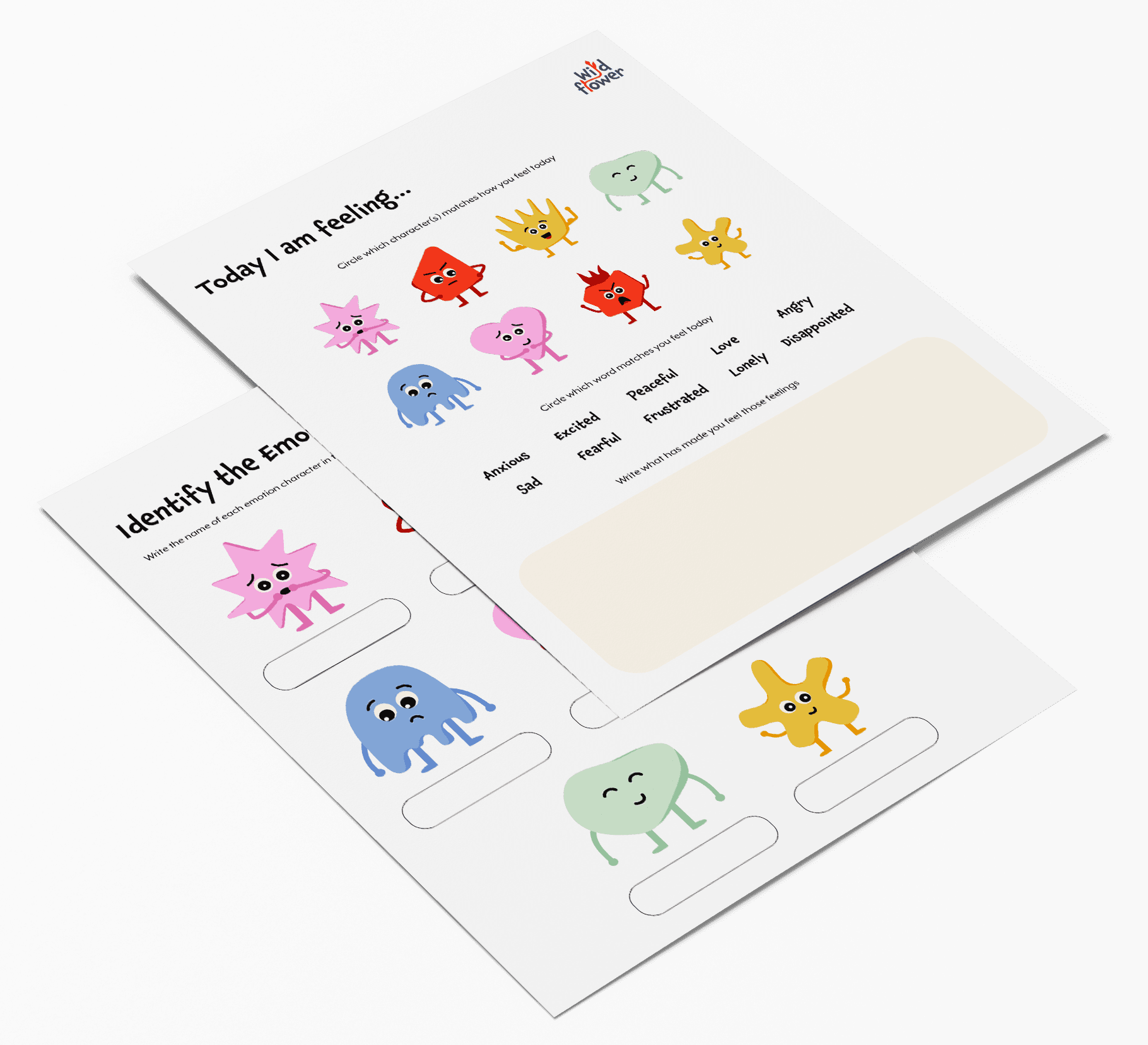
Worksheets
The worksheets provide several options for children to practice naming emotions, matching characters, thinking of what causes emotions, and practicing
somatic awareness.
Worksheets
The worksheets provide several options for children to practice naming emotions, matching characters, thinking of what causes emotions, and practicing
somatic awareness.
Worksheets
The worksheets provide several options for children to practice naming emotions, matching characters, thinking of what causes emotions, and practicing somatic awareness.
Somatic Awareness Matching Game
Matches characters, emotions, with physical sensations to help children create mental associations between each element to increase somatic awareness.
Somatic Awareness
Matching Game
Matches characters, emotions, with physical sensations to help children create mental
associations between each element to increase somatic awareness.
Somatic Awareness Matching Game
Matches characters, emotions, with physical sensations to help children create mental associations between each element to increase somatic awareness.


"Created to Feel" Board Story Book
The story book includes several Bible stories of different emotions in the Bible and how the characters handled it/how they should handle it.
"Created to Feel" Board Story Book
The story book includes several Bible stories of different emotions in the Bible and how the characters handled it/how they should handle it.
"Created to Feel" Board Story Book
The story book includes several Bible stories of different emotions in the Bible and how the characters handled it/how they should handle it.

Reflection Cube
The reflection cube is a 6-sided cube with different reflection prompts on each side to help children calm themselves down and be mindful of how they feel and why.
Reflection Cube
The reflection cube is a 6-sided cube with different reflection prompts on each side to help children calm themselves down and be mindful of how they feel
and why.
Reflection Cube
The reflection cube is a 6-sided cube with different reflection prompts on each side to help children calm themselves down and be mindful of how they feel and why.

Final Video
A final video to explain the context and use of the toolkit.
Final Video
A final video to explain the context and use of
the toolkit.
Final Video
A final video to explain the context and use of the toolkit.
Print Production & Exhibition
In the spring semester, we had the opportunity to put ourr projects on exhibit. This meant that it was time to move everything into the production phase!
In the fall semester of my senior year at Ohio State, I completed my final senior capstone project!
Wildflower is a toolkit that equips parents and educators to teach children ages 4 – 7 years old healthy ways of understanding and handling emotions through the integration of Christian Biblical teachings and emotional development research. The toolkit fosters emotional literacy by affirming that emotions are a normal part of life and guiding children in processing them through a faith-based perspective.
The first half of the semester I focused on researching the topic; reading literature about emotional development and Biblical teachings, surveying competition, as well as conducting interviews and a survey. My hypothesis was that there is a large gap in resources about emotional health; secular resources leave faith out of the equation, and Christian
resources often encourage suppression rather than healthy expression.
My research supported this theory and provided these key takeaways:
During childhood, learning how to recognize, name, and process emotions is vital.
The gap in resources can leave children confused about their emotions and result in an unhealthy expression and relationship with emotions that can lead to issues later in life.
It would be most effective to have tools for both parents and teachers.
In the fall semester of my senior year at Ohio State, I completed my final senior capstone project!
Wildflower is a toolkit that equips parents and educators to teach children ages 4 – 7 years old healthy ways of understanding and handling emotions through the integration of Christian Biblical teachings and emotional development research. The toolkit fosters emotional literacy by affirming that emotions are a normal part of life and guiding children in processing them through a
faith-based perspective.
The first half of the semester I focused on researching the topic; reading literature about emotional development and Biblical teachings, surveying competition, as well as conducting interviews and a survey. My hypothesis was that there is a large gap in resources about emotional health; secular resources leave faith out of the equation, and Christian resources often encourage suppression rather than healthy expression.
My research supported this theory and provided these key takeaways
During childhood, learning how to recognize, name, and process emotions is vital.
The gap in resources can leave children confused about their emotions and result in
an unhealthy expression and relationship with emotions that can lead to issues later in life.It would be most effective to have tools for both parents and teachers.
Board Book
Reflection Cube
The reflection cube is a 6-sided cube with different reflection prompts on each side to help children calm themselves down and be mindful of how they feel
and why.
Reflection Cube
The reflection cube is a 6-sided cube with different reflection prompts on each side to help children calm themselves down and be mindful of how they feel and why.
Matching Game Cards & Box
Matches characters, emotions, with physical sensations to help children create mental associations between each element to increase somatic awareness.
Somatic Awareness
Matching Game
Matches characters, emotions, with physical sensations to help children create mental
associations between each element to increase somatic awareness.
Somatic Awareness Matching Game
Matches characters, emotions, with physical sensations to help children create mental associations between each element to increase somatic awareness.


Exhibition
Somatic Awareness
Matching Game
Matches characters, emotions, with physical sensations to help children create mental
associations between each element to increase somatic awareness.
Somatic Awareness Matching Game
Matches characters, emotions, with physical sensations to help children create mental associations between each element to increase somatic awareness.

